JETRAY / Battery engineering & sourcingShenzhen, China[email protected] ↗
JETRAYMedical Equipment Battery ProjectsBlog
COLLECTION / DEVICE-INTEGRATION REFERENCE

Find the right product starting point.

Explore the published references, compare key parameters and bring the exact requirements into your inquiry.

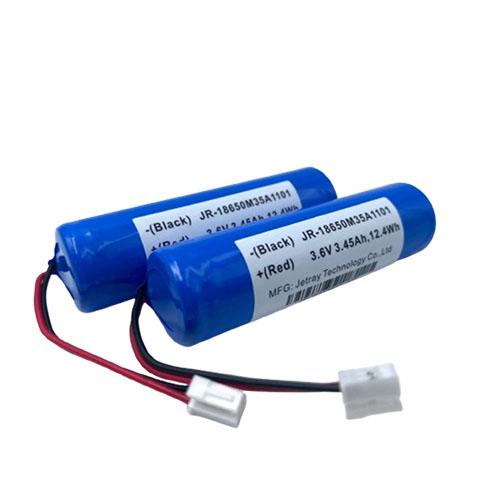
Application evaluation3.6V 3.5Ah Compact Pack Evaluation — product-family reference

3.6V 3.5Ah Compact Pack Evaluation

A single-cell protected pack format for compact equipment. Use the published electrical envelope as a starting point, then verify cable routing, protection and charging requirements.

Battery catalogue reference for engineering evaluation. This image does not establish approval for a medical device or medical certification.

3.6V3.5Ah12.6Wh
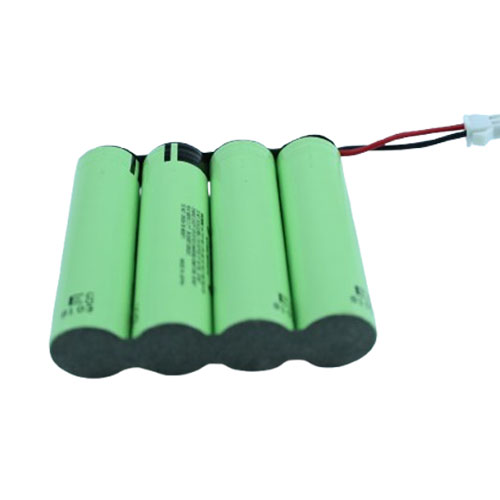
Application evaluation14.8V 3.4Ah Pack Evaluation — product-family reference

14.8V 3.4Ah Pack Evaluation

A catalogue configuration for discussion during equipment battery selection. Provide the device safety requirements, load profile and charging arrangement before evaluation.

Battery catalogue reference for engineering evaluation. This image does not establish approval for a medical device or medical certification.

14.8V3.4AhLithium-ion
Explore all specifications
TECHNICAL FOCUS / DEVICE-INTEGRATION REFERENCE

Keep the device interfaces and the evidence connected.

Start with the equipment voltage window, duty cycle and monitoring requirements. Catalogue candidates support discussion; suitability requires device-specific validation.

  • Device load profile
  • Protection interfaces
  • Validation evidence
Medical Equipment Battery Projects product-family reference from the Jetray public catalogue
Product-family reference / Jetray public catalogue
SERVICE / DEVICE-INTEGRATION REFERENCE

A useful path from inquiry to review.

Choose the support you need for this stage of the project.

01

Reference selection

Compare the published catalogue with your required voltage window, current and mechanical envelope.

Browse this collection
02

A complete project brief

Share the equipment requirements, interface drawing, charging arrangement and intended operating conditions.

Prepare an inquiry
ENGINEERING / DEVICE-INTEGRATION REFERENCE

A specification shaped by the equipment.

Medical Equipment Battery Projects selection connects electrical demand, mechanical fit and operating conditions. Use these checkpoints to organize the discussion.

Explore the engineering brief

Define the current model, interface drawing and sample-review criteria together.

Define the device context

Describe the intended use, operating environment and the battery's role within the device risk assessment.

Control the interfaces

Confirm electrical limits, protection behavior, thermistor signals, identification and communication as applicable.

Plan model-specific validation

Agree test evidence, traceability and change control with the equipment manufacturer. A catalogue reference is not device approval.

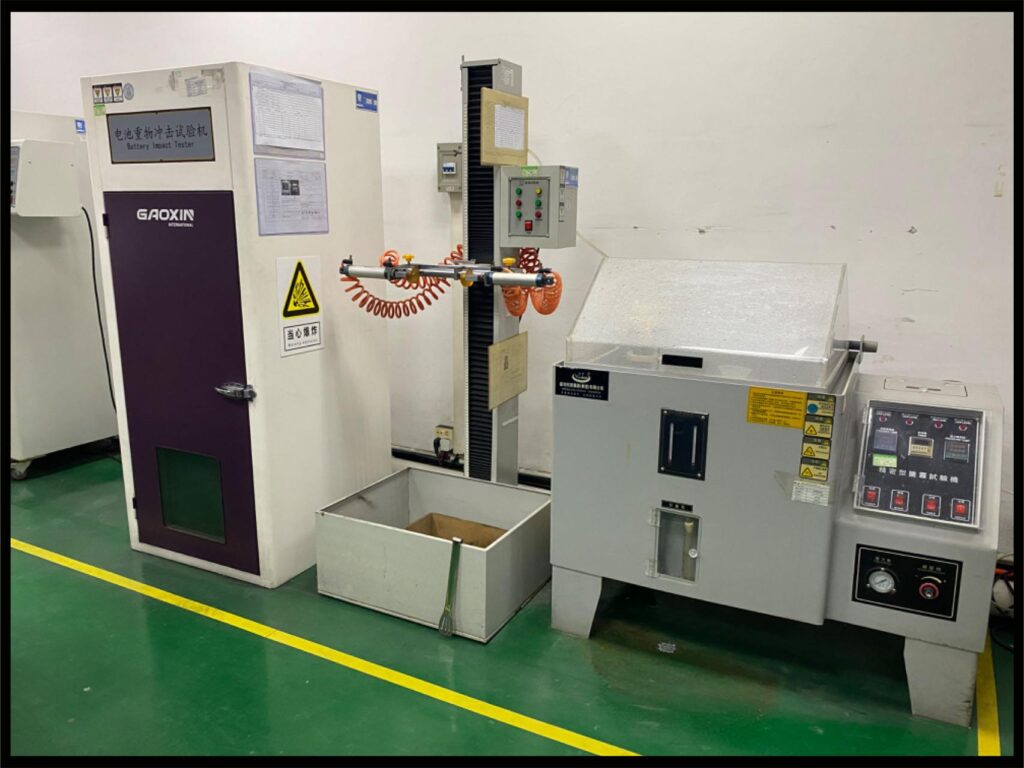
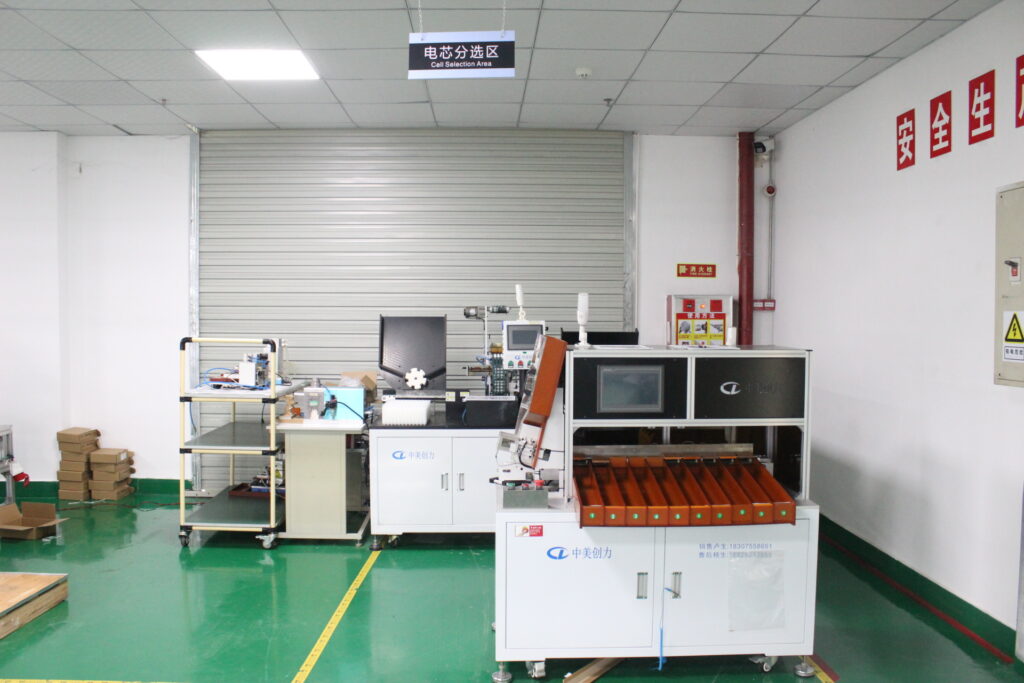
Battery test equipment published on the Jetray factory website
JETRAY / ENGINEERING PERSPECTIVE
Published Jetray factory photograph; not a customer-deployment image.
APPLICATION PLANNING

Build a reviewable equipment-battery brief.

Document runtime, charging, service access and traceability for the intended device. Keep the battery configuration evidence and the complete-device validation responsibilities clear.

Portable equipment projectsMonitoring equipment projectsServiceable battery modules
APPLICATION / DEVICE-INTEGRATION REFERENCE

Power starts with the application.

Review the equipment, its duty cycle and its interfaces before selecting a battery configuration.

01

Portable equipment projects

Document the complete load profile, recharge workflow and equipment voltage limits.

Review requirements
02

Monitoring equipment projects

Review backup duration, state-of-charge behavior and the effect of low-battery transitions.

Review requirements
03

Serviceable battery modules

Define identification, replacement controls, connector keying and maintenance documentation.

Review requirements
APPLICATION CASE FILES / DEVICE-INTEGRATION REFERENCE

See the decisions behind an application.

Explore practical planning briefs for medical equipment battery projects: the operating challenge, integration approach and sample-review questions.

These are application planning examples, not documented customer deployments. Factory photographs are from the Jetray corporate website and do not identify a customer project.

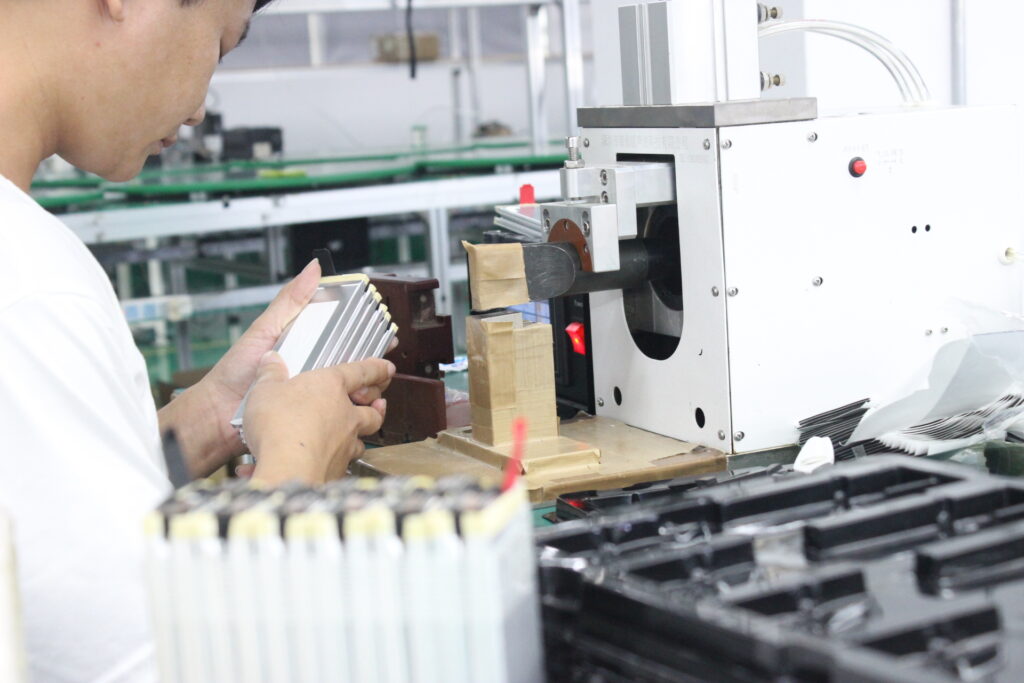
Battery assembly workspace published on Jetray’s corporate website
Factory photograph / Jetray corporate website.
ABOUT JETRAY / SHENZHEN

Product knowledge. Project perspective.

Shenzhen Jetray Technology Co., Ltd. presents cells, battery packs and application-focused products through its corporate catalogue. This collection brings medical equipment battery projects into a more focused technical conversation.

The corporate website describes cell selection, BMS design, prototyping and custom-pack services. Confirm the proposed scope, model specification and supporting documents for your project with the Jetray team.

PRODUCT FOCUSDEVICE-INTEGRATION REFERENCE
COMPANYShenzhen, China
BLOG / DEVICE-INTEGRATION REFERENCE

Ideas for better battery decisions.

Technical guides on product selection, integration and purchasing, with sources for further reading.

QUESTIONS / DEVICE-INTEGRATION REFERENCE

Before you specify.

Answers to the questions that help move an inquiry forward.

Discuss a requirement
Are the listed batteries approved for a medical device?

No such approval is implied. Suitability depends on the exact battery design and the device manufacturer's risk management, testing and regulatory responsibilities.

What information is useful for an initial discussion?

Provide device type, intended environment, voltage window, measured current profile, runtime target, enclosure drawing and the required documentation.

Can a battery be substituted after device validation?

A change to cells, protection, firmware or mechanical construction may affect the validated device. Follow the equipment manufacturer's change-control process.

What battery information should a medical equipment developer provide?

Provide the device context, voltage window, measured load, runtime target, charging arrangement, enclosure and required evidence. The equipment manufacturer should define the device-specific validation requirements.

Does a battery test report establish medical device approval?

No. A report covers its stated model and test scope. Medical-device approval and the complete equipment’s validation remain separate from battery component evidence.

How should a device team document a battery configuration change?

Identify the configuration change, assess the affected interfaces and validation, and retain the approved revision and evidence. Follow the device manufacturer’s risk management and change-control process.

A useful conversation starts with a specification

Tell us what your equipment needs.

Share the load, dimensions and intended use. Ask for a current model specification and a project review.

Discuss your project

Product comparison