The practical answer.
Keep component specifications, traceability, report scope and device-level responsibilities clear during battery procurement.
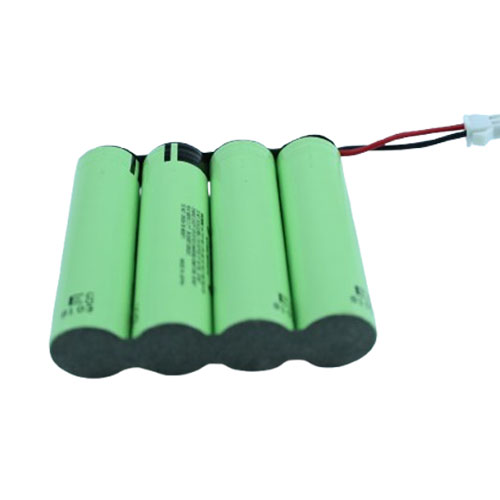
Build a component evidence list
Start with the battery information needed by the device manufacturer's engineering, quality and compliance teams. The list may include a controlled specification, drawing, interface definition, cell identification, labeling and relevant test documents. Identify the exact proposed model and configuration before asking whether a document is applicable. A folder full of certificates is less useful than a small set of clearly matched evidence. Record what each item is intended to establish and which team will decide whether it is sufficient for the project.
Match documents to the supplied configuration
Check model identifiers, revisions, cell arrangements and other relevant details against the sample and proposed production product. Ask the supplier to explain the scope of any report that refers to a different model or product family. Do not assume that a cell report automatically covers every finished pack, or that a battery report covers the complete medical device. Where interpretation is needed, involve the responsible compliance specialists and testing parties. Preserve their decision and any conditions with the project's design records.
Review traceability and change notification
Ask how packs and key components are identified through production lots and shipment records. Agree which changes need notification and approval, such as a new cell, protection circuit, firmware, connector or enclosure. The impact of a change depends on the device design and existing evidence, so define a review process before the first production order. Receiving and service teams should be able to identify the approved version. Silent substitutions can undermine an otherwise careful validation program even when headline ratings appear unchanged.
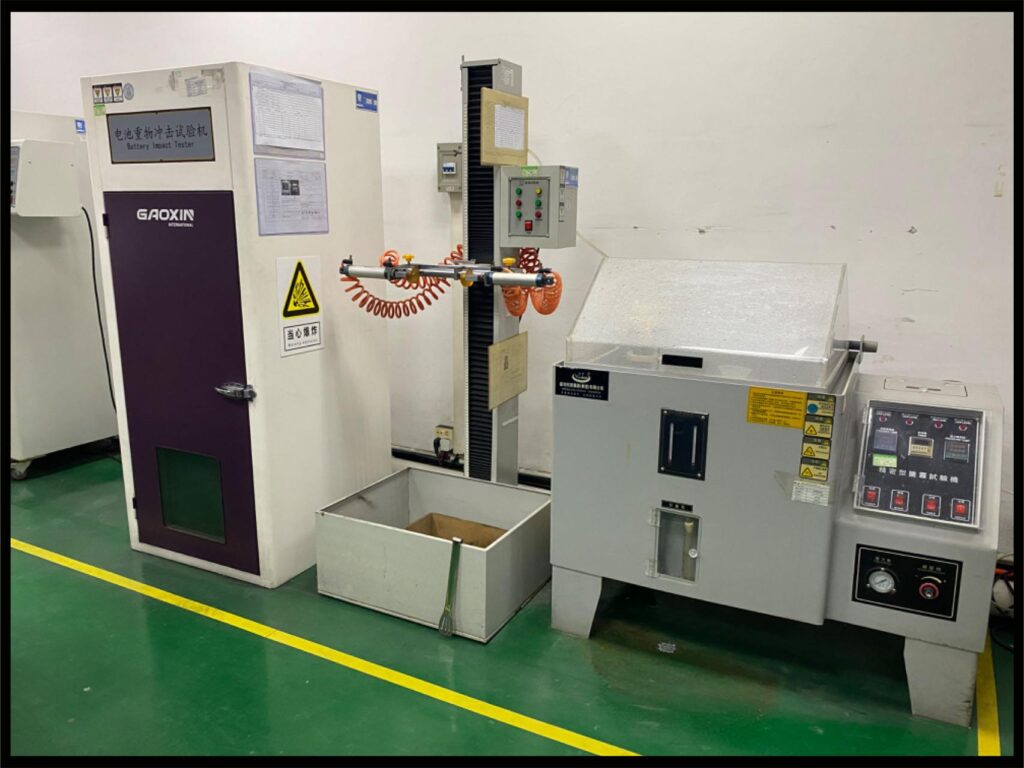
Keep performance and commercial terms separate
A warranty period is not the same as a validated service life, and a sample lead time is not a guaranteed production schedule. Request current commercial terms for the actual configuration. Ask which development, testing or documentation activities are included and which require separate work. At the same time, define measurable performance acceptance criteria under agreed conditions. Keeping these topics distinct helps engineering assess technical evidence while purchasing can evaluate cost, schedule and responsibilities without treating marketing language as a controlled requirement.
Release only a defined component baseline
Before production approval, link the final pack specification, drawing, interface documents and validation results to the intended device version. List open items and resolve their ownership. A Jetray inquiry can begin from the medical application category, but it should request project-specific evidence and avoid assuming any medical-device certification from that category label. The component supplier's documentation supports the device manufacturer's assessment; it does not replace the finished product's design verification, regulatory evaluation or release responsibilities.
Bring these points into the inquiry.
Use the checklist to organize a project discussion, then request the exact model specification, drawing and relevant evidence.
| Review point | Information to agree with the supplier |
|---|---|
| Define the device context | Describe the intended use, operating environment and the battery's role within the device risk assessment. |
| Control the interfaces | Confirm electrical limits, protection behavior, thermistor signals, identification and communication as applicable. |
| Plan model-specific validation | Agree test evidence, traceability and change control with the equipment manufacturer. A catalogue reference is not device approval. |
Sources & further reading
- Jetray catalog including medical application ↗
- Large Power model-specific battery evidence structure ↗
Prepared for the medical equipment battery projects collection. General engineering guidance does not replace a model-specific datasheet or application validation. Source review: 4 November 2026.