The practical answer.
Help a device team communicate operating modes, power continuity, cleaning constraints and validation needs to a battery supplier.
Begin with the device's intended operation
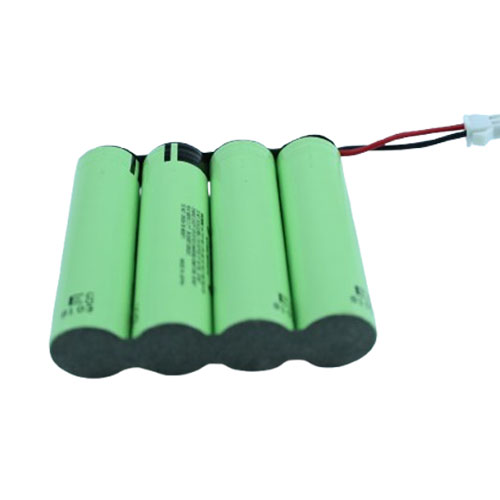
A battery inquiry for a medical device should begin with the equipment and its intended use, under the control of the device manufacturer's engineering and risk-management process. Describe operating modes, expected usage duration, mains-powered behavior and any need for continued operation during a power interruption. Identify which assumptions are fixed and which are still being evaluated. A battery supplier can discuss a pack design, but the device manufacturer remains responsible for deciding how the proposed component fits the complete product and its intended use.
Provide a measured electrical profile
Record the equipment voltage window, continuous load, startup peaks, standby consumption and charging arrangement. Include any peripherals or accessories supplied from the same battery. Explain the minimum useful runtime and how the device is expected to respond when available energy becomes low. These requirements should come from the responsible device team, not from a generic battery estimate. A capacity label alone cannot establish that a device will complete its intended operating sequence or that its power-management behavior is appropriate.
Describe the physical and service environment
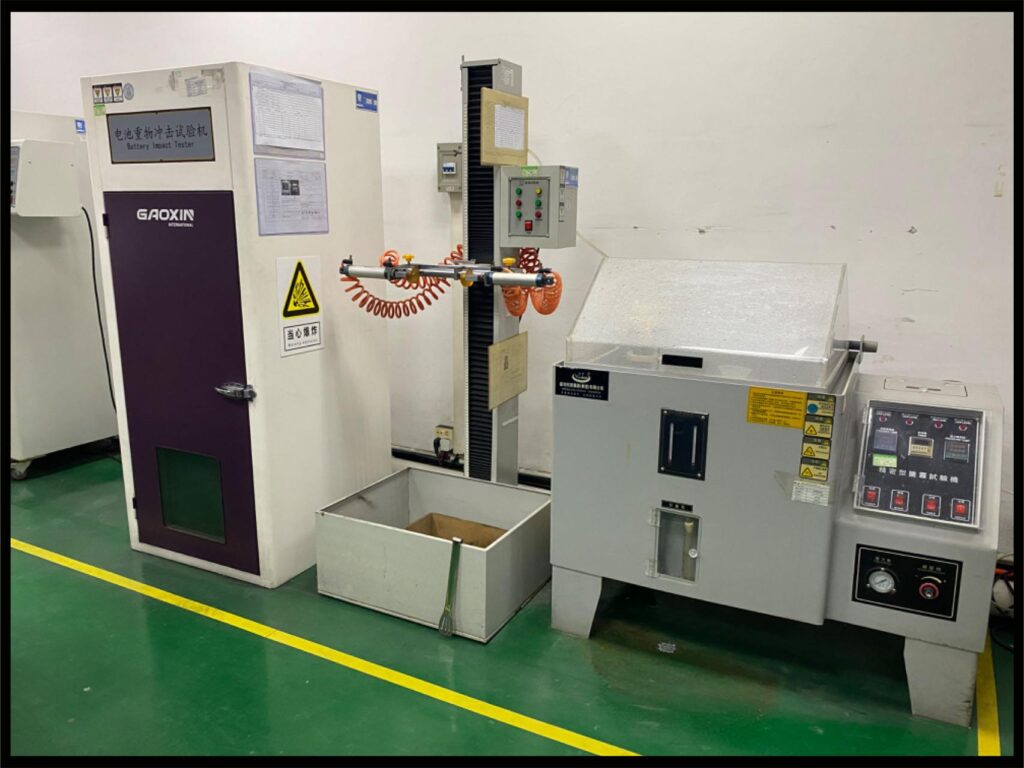
Provide the available dimensions, mounting arrangement, cable access and nearby heat sources. Explain whether the battery is user-replaceable, service-replaceable or integrated for the product's expected life. If cleaning, disinfection, enclosure sealing or transport conditions affect the battery area, give the supplier the relevant engineering requirements. Do not assume a battery enclosure is compatible with a cleaning process without review. The pack drawing and installation method should be assessed within the finished device, including the planned assembly and maintenance procedures.
Define status and fault information
Identify which battery information the device needs and how it will be used. Voltage, temperature, current and estimated state of charge may be relevant, but a communication interface needs a documented protocol and behavior. Ask what occurs during protective shutdown, communication loss, charging or battery replacement. The device team should determine the required alarm and shutdown strategy through its own validation process. A general BMS feature list cannot establish the adequacy of those functions for a particular medical device or clinical setting.
Ask for project-specific evidence
Request a controlled specification, drawing, proposed cell and protection configuration, traceability information and the documents relevant to the component and intended markets. Separate battery-level evidence from finished-device approvals. A listed application or a familiar certificate logo does not prove that a pack is approved for your medical device. Jetray includes a medical application direction on its public product navigation; the exact design, documentation and validation scope should be confirmed for the project before any suitability or compliance claim is made.
Bring these points into the inquiry.
Use the checklist to organize a project discussion, then request the exact model specification, drawing and relevant evidence.
| Review point | Information to agree with the supplier |
|---|---|
| Define the device context | Describe the intended use, operating environment and the battery's role within the device risk assessment. |
| Control the interfaces | Confirm electrical limits, protection behavior, thermistor signals, identification and communication as applicable. |
| Plan model-specific validation | Agree test evidence, traceability and change control with the equipment manufacturer. A catalogue reference is not device approval. |
Sources & further reading
- Jetray medical application listed in navigation ↗
- Large Power example of medical-application battery specifications ↗
Prepared for the medical equipment battery projects collection. General engineering guidance does not replace a model-specific datasheet or application validation. Source review: 4 November 2026.